


The Fatalii: The Citrus Fire You've Never Tried
January 28, 2026
5 Minutes
Fatalii delivers citrus before heat — a volatile compound window that disappears if you make the wrong pairing choices. The science of what destroys this pepper's signature character.
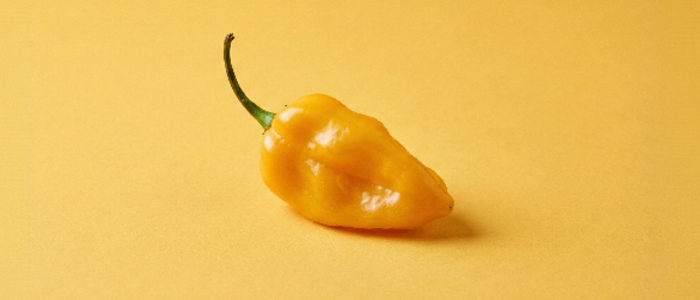
Why This Pepper Matters
Fatalii delivers pronounced citrus — lemon and lime notes — before capsaicin activates your TRPV1 receptors. That flavor window makes it unusually versatile for sauce formulation, provided you don't destroy the volatiles responsible for it.
This week, we're building a fermented sauce around this pepper. By Sunday, you'll have a complete recipe. First, you need to understand what you're working with and what will ruin it.
Classification and Origin
Fatalii is a Capsicum chinense cultivar — same species as habaneros and scotch bonnets. It developed in Central Africa (Central African Republic, Congo basin) from peppers introduced via 16th–17th century trade routes, evolving as a distinct landrace through natural selection rather than deliberate breeding.
Heat Profile
125,000–400,000 SHU, with most tests clustering at 125,000–325,000. For calibration:
- Jalapeño: 2,500–8,000 SHU
- Habanero: 100,000–350,000 SHU
- Fatalii: 125,000–400,000 SHU
- Ghost pepper: 855,000–1,041,000 SHU
At minimum, 15x hotter than average jalapeño. At maximum, 160x.
Variability: Environmental stress (particularly drought) increases capsaicin concentration by 17–21% in C. chinense varieties. Yellow pods test hottest; chocolate variants run milder (~80,000 SHU). You cannot assume consistent heat between harvests.
Capsaicinoid Behavior
Capsaicin binds to TRPV1 receptors — the same receptors detecting actual temperature above 43°C. Your nervous system interprets this as burning, though no tissue damage occurs.
Fatalii contains both capsaicin and dihydrocapsaicin. Some sources report higher dihydrocapsaicin ratios than other C. chinense varieties, though peer-reviewed quantification is limited. The practical difference: capsaicin produces sharp, immediate bite; dihydrocapsaicin creates more diffuse, longer-lasting burn.
Heat progression (consistently reported): Begins at back of throat → spreads forward → peaks on tongue → lingers several minutes. This persistence affects how you balance other ingredients.
The Citrus Character
Fatalii's defining feature is bright citrus — specifically lemon-lime notes — with secondary stone fruit aromatics (peach, apricot) that dissipate quickly.
Important: Fatalii contains zero citrus. The perception comes from volatile aromatic compounds the pepper produces. The specific volatile profile hasn't been characterized in peer-reviewed literature, but the citrus flavor is consistently documented across culinary sources — this isn't subtle or subjective.
Compared to habaneros (tropical fruit: mango, papaya) or scotch bonnets (sweeter, generalized fruitiness), fatalii's citrus is sharper and more specifically identifiable as lemon-lime.
Fresh vs. Dried
Volatile aromatics — the compounds creating that citrus character — evaporate at low temperatures and dissipate when cellular structures are disrupted.
Fresh: Maximum citrus intensity. Optimal for fermentation, where lacto-acid bacteria activity preserves volatiles. Refrigerator shelf life ~2 weeks; freezing preserves better for longer storage.
Dried: Concentrated capsaicin per gram, but significant reduction in citrus notes. You gain heat efficiency; you lose the primary reason to choose fatalii over a habanero.
For this sauce: fresh peppers, fermented. High-heat cooking destroys what makes this cultivar distinctive.
What Will Destroy This Pepper
Fatalii's citrus brightness is the point. These ingredients suppress or eliminate it:
Heavy Smoke
Chipotles, aggressive smoked paprika, liquid smoke — these contain high concentrations of pyrazines and phenolic compounds from the smoking process. They don't complement fatalii's citrus volatiles; they mask them entirely.
Result: you taste smoke and generic heat. The citrus disappears. If you want smoky sauce, use a pepper without delicate aromatics worth preserving.
Balsamic Vinegar
Balsamic's dark, syrupy character — from grape must reduction and melanoidin development — occupies completely different flavor territory than fatalii's bright, sharp profile.
When combined, they compete rather than complement. Neither wins. Result: muddled middle ground that's neither bright nor rich. Use white wine vinegar, apple cider vinegar, or citrus juice instead.
Rosemary
Rosemary's dominant compounds are monoterpenes: 1,8-cineole, camphor, α-pinene. These create piney, resinous, slightly medicinal notes that don't recede.
Fatalii's citrus aromatics are also likely terpene-based. Two strong terpene profiles in the same preparation create competition, not harmony. Result: harsh, medicinal edge. Cilantro or Thai basil work; rosemary doesn't.
General Principle
Any technique or ingredient that suppresses volatile compounds diminishes what makes fatalii distinctive: extended high-heat cooking, ingredients with dominant flavor profiles, improper storage. If you're paying premium for this pepper, preserve what justifies the cost.
Handling
- Gloves: Nitrile recommended
- Capsaicin is fat-soluble: Wash skin with oil first, then soap — water alone spreads it
- Membrane removal: Capsaicin concentrates in placental tissue, not seeds. Removing membranes reduces heat ~50%
The Puzzle So Far
- Day 1: Fatalii ✓
- Day 2: The Base → Tomorrow
- Day 3: The Acid
- Day 4: The Depth
- Day 5: The Discovery 🔒
- Day 6: The Connection
- Day 7: The Recipe
Tomorrow
We add the base — something that provides body and carries fatalii's brightness without committing the errors above.
Question: If you've worked with fatalii, what was your experience with heat onset — immediate or delayed? Reports vary, and real-world data helps.
#FlavorPuzzle #FataliiWeek
Read more from
Our Blog.

The Recipe: Where Bright Burn Begins
February 3, 2026
5 Minutes
Seven days of molecular mapping. One experimental recipe. Theory predicts a warm-cold paradox that resets your palate—now we need to know if it works in reality.
Read more
The Connection: The Moment the Puzzle Pieces Click
February 2, 2026
5 Minutes
We call it "The Connection" because this is the moment the puzzle stops being five separate ingredients and starts being one sauce. It is the difference between a jar of noise and a bottle of harmony—the hidden logic that makes the flavor feel "designed" rather than just mixed.
Read more
Cardamom: The Molecular Mirror of the Flavor Puzzle
February 1, 2026
5 Minutes
We call it "The Discovery" because today we reveal the hidden balance of the sauce. Cardamom is the unique chemical "chameleon" that allows the lime and the ginger to communicate. The science of the "Cool-Fire" finish and how it creates a sensory loop.
Read moreSome Combinations Just Work
Want to Know Why?
Be among the first 100 makers to access the tool that's changing
how hot sauce gets created.
