


Lime: The Acid Anchor That Completes the Structure
January 30, 2026
5 Minutes
Lime doesn’t just balance this sauce — it sets its course, sharpening heat and clarifying every other flavor through a bright citrus lens. It’s the acid that keeps the whole structure focused, ensuring the sauce tastes intentional rather than accidental.
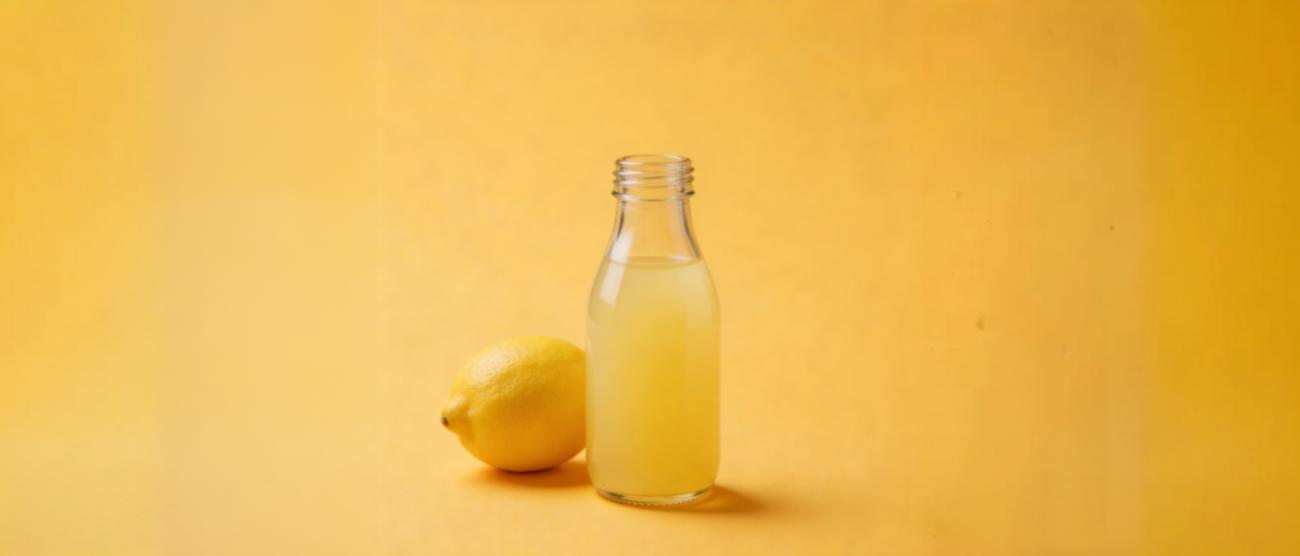
Why This Acid Matters
Lime contributes two things nothing else in this sauce can replace: clean acidity and citrus-driven aroma.
The fatalii already points the flavor toward citrus. Carrot adds sweetness and body, softening heat and giving the sauce structure. Lime doesn’t compete with either role. Instead, it anchors the entire composition on a citrus-forward axis, keeping the sauce from drifting sweet or vegetal.
Acid does more than balance flavor. Lower pH increases sensory contrast. Heat feels sharper. Aromas feel clearer. The same amount of fatalii registers as more intense in an acidic environment — not because capsaicin changes, but because your sensory system does.
Lime doesn’t sit beside the other ingredients.
It defines the lens through which they’re experienced.
Flavor Profile
The first impression is sharp, clean acidity.
Behind it, bright citrus aromatics from peel oils.
Fresh lime juice typically falls between pH 2.0 and 2.4, making it one of the most acidic common culinary ingredients. Lemon occupies a similar range. Apple cider vinegar is slightly less acidic, while orange juice is far milder.
Citric acid makes up roughly 5–6% of lime juice by weight, and it delivers sourness without fermented or savory notes. Unlike vinegar’s acetic acid, lime reads as fresh rather than preserved — a better match for a sauce built around citrus heat.
The Citrus Volatile Layer
Lime’s aroma comes from citrus terpenes concentrated in the peel, with limonene as the most recognizable contributor.
Fatalii already carries a citrus-forward aromatic signal. Carrot provides sweetness, body, and a neutral terpene background. Lime reinforces the pepper’s citrus character while cutting through the carrot’s sweetness, keeping the sauce focused instead of rounded.
This is why lime works better here than vinegar. Vinegar adds acidity without reinforcing aroma. Lime adds acidity and keeps the flavor trajectory aligned.
The result is coherence: citrus from start to finish, with heat emerging inside that framework rather than interrupting it.
Fresh Juice vs. Bottled
Fresh-squeezed lime juice retains a broader range of volatile compounds, delivering brighter aroma and greater complexity. Acidity varies between fruits, but the flavor payoff is significant.
Bottled or reconstituted lime juice loses most aromatic compounds during processing. The sourness is flatter and more one-dimensional, though the acidity is consistent.
For this sauce, fresh juice is the right choice. Earlier ingredients were selected to preserve aromatic character. Bottled lime would flatten that effort at the moment where direction matters most.
Zest note:
Lime zest contains far higher concentrations of citrus oils than juice. A small amount boosts aroma without increasing acidity. Start with about ½ teaspoon finely grated zest per cup of sauce, avoiding the white pith, which adds bitterness.
What Will Disrupt This Balance
Dairy or cream
Milk proteins bind capsaicin, muting heat perception. Lime’s low pH also destabilizes dairy, risking grainy texture and dull flavor. The richness works against the brightness this sauce relies on.
If creaminess is intentional, coconut cream is the exception — acid-stable and compatible with citrus.
Heavy sweeteners
Carrot already provides sweetness. Adding honey, agave, or refined sugar pushes the sauce toward sweet-chili territory and masks lime’s aromatic clarity.
Rule of thumb: carrot handles sweetness; lime handles direction.
Competing acids
Citric acid is clean and sharp. Acetic acid is savory and fermented. Mixing them blurs the acid profile instead of strengthening it. This sauce is citric-forward. Keep the signal singular.
Preparation for Blending
Roll limes firmly before cutting to increase juice yield.
Strain juice to remove pulp and seeds, which introduce bitterness.
Zest before juicing and avoid all white pith.Add lime after blending other ingredients to minimize aromatic loss.
Start with 2 tablespoons fresh juice per cup of sauce base, then adjust to taste.
The Puzzle So Far
Day 1: Fatalii ✓ — Heat with citrus character
Day 2: Carrot ✓ — Sweet body and balance
Day 3: Lime ✓ — Acid that defines direction
Day 4: The Depth → Tomorrow
Day 5: The Discovery 🔒
Day 6: The Connection
Day 7: The Recipe
Tomorrow
We add depth — something that gives the sauce backbone without pulling it away from its citrus spine.
Question: Fresh lime or bottled — can you taste the difference in a finished sauce?
#FlavorPuzzle #FataliiWeek
Read more from
Our Blog.

The Recipe: Where Bright Burn Begins
February 3, 2026
5 Minutes
Seven days of molecular mapping. One experimental recipe. Theory predicts a warm-cold paradox that resets your palate—now we need to know if it works in reality.
Read more
The Connection: The Moment the Puzzle Pieces Click
February 2, 2026
5 Minutes
We call it "The Connection" because this is the moment the puzzle stops being five separate ingredients and starts being one sauce. It is the difference between a jar of noise and a bottle of harmony—the hidden logic that makes the flavor feel "designed" rather than just mixed.
Read more
Cardamom: The Molecular Mirror of the Flavor Puzzle
February 1, 2026
5 Minutes
We call it "The Discovery" because today we reveal the hidden balance of the sauce. Cardamom is the unique chemical "chameleon" that allows the lime and the ginger to communicate. The science of the "Cool-Fire" finish and how it creates a sensory loop.
Read moreSome Combinations Just Work
Want to Know Why?
Be among the first 100 makers to access the tool that's changing
how hot sauce gets created.
